Mganga: The Handwritten Typeface That Transforms Small Business Branding
It was a Tuesday morning, and I was staring at a stack of plain white boxes for my new line of handmade soy candles. They were functional, but they lacked the personality that customers had come to expect from my brand. My current packaging felt too corporate, too sterile. I needed something that whispered warmth and told a story before the customer even lit the wick. That is when I decided to test Mganga, a whimsical and quirky handwritten font, on my product labels.
I have spent years advising small business owners on how to elevate their visual identity without hiring an expensive design agency. Often, the missing piece isn't a logo or a color palette; it is the right typeface. After spending a week applying Mganga to everything from thank-you cards to Instagram story templates, I can confidently say this script amp has become a staple in my toolkit for building authentic brand identities.
Why Personality Matters More Than Perfection in Typography
In the world of commercial fonts, there is often a pressure to choose something "safe." We are taught to pick clean sans serif fonts because they are readable and professional. While those choices have their place, they often fail to capture the soul of a small business. When you are selling handmade goods, artisanal foods, or boutique services, your customers are buying a connection. They want to feel like they know the person behind the product.
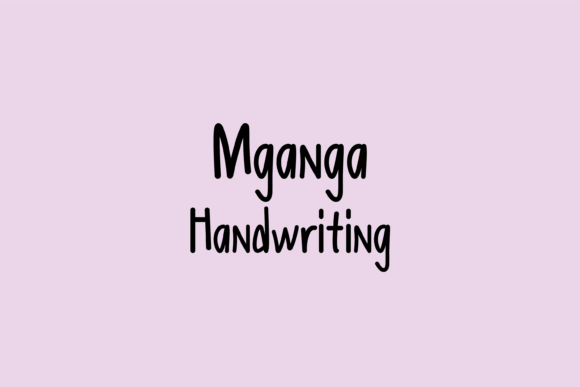
This is where Mganga shines. It is not a rigid, computer-generated script. It feels organic, like someone picked up a marker and wrote a note just for you. Its slightly quirky nature adds a layer of charm that polished vector fonts simply cannot replicate. When I placed Mganga on my candle jar labels, the difference was immediate. The font softened the edges of the design, making the product feel approachable and friendly rather than distant and manufactured.
For business owners, this distinction is crucial. A font like Mganga acts as a silent ambassador for your brand values. It signals that you care about details, that you value creativity, and that you are willing to add a personal touch to every interaction. This emotional resonance is what turns a casual browser into a loyal customer.
Real-World Applications: From Packaging to Digital Screens
One of the most exciting things about testing Mganga was seeing how versatile it is across different mediums. I did not limit myself to just one use case. Instead, I treated it as a comprehensive design asset for my entire brand ecosystem.
- Packaging Design: On my bakery boxes, Mganga served as the perfect display font for the shop name and flavor descriptions. The handwriting style made the treats look fresh and homemade, increasing the perceived value of the product.
- Social Media Graphics: Updating my Instagram templates with Mganga gave my feed a cohesive, curated look. Whether I was creating a promotional flyer or a simple quote card, the font added a consistent voice that tied all my posts together.
- Digital Ads and Banners: Even on smaller screens, such as mobile ads or website banners, Mganga held its own. Its distinct character grabs attention quickly, which is essential for stopping the scroll in a crowded digital marketplace.
- Customer Communication: I used the font for printed thank-you cards included in every order. Seeing a customer's reaction to receiving a package that looked so carefully designed was incredibly rewarding. It turned a standard transaction into a memorable experience.
The key takeaway here is consistency. By using Mganga across physical products and digital channels, I created a unified brand identity that felt trustworthy and professional. Customers began to recognize the handwriting style instantly, associating it with quality and care.
Maximizing Readability and Impact
While whimsy is wonderful, a font must still be legible to serve its purpose. I found that Mganga works best as a headline or a display font rather than for long blocks of text. For body copy, I paired it with a clean, modern sans serif font. This combination allowed me to maintain the personality of Mganga while ensuring that important details, like ingredients lists or pricing, remained easy to read.
When designing for small labels or mobile thumbnails, simplicity is key. I learned to keep the text short and let the font do the heavy lifting. Using Mganga for short phrases, logos, or decorative accents creates a focal point that draws the eye. However, if you are planning to use it for extensive paragraphs, you might find it becomes difficult to read after a few lines. As a creative consultant, I always recommend reserving script fonts like Mganga for titles, subtitles, and branding elements where their unique character can truly shine.
Another practical consideration is file variety. Before integrating any premium font into your workflow, it is wise to check the included styles, weights, and alternate characters. Mganga offers a range of options that allow for dynamic layouts. Whether you need ligatures to connect letters smoothly or specific alternates to avoid repetition, having these design assets available ensures your final output looks polished and intentional.
Building Trust Through Thoughtful Design Choices
There is a misconception that using a "fun" or "quirky" font makes a business look less serious. In reality, the opposite is often true. When executed correctly, a well-chosen handwritten font demonstrates a high level of attention to detail. It shows that you have thought about every aspect of your customer's journey, from the moment they see your ad to the moment they unbox your product.
I recently advised a local café owner who wanted to refresh her menu. She was hesitant to move away from traditional serif fonts. Once we introduced Mganga for the daily specials and coffee blend names, the menu transformed. It felt inviting and lively, encouraging customers to try new items. The result was a noticeable increase in engagement with the special offerings.
This success highlights the power of typography in shaping brand perception. A font like Mganga helps businesses stand out in a sea of generic designs. It builds recognition and fosters a sense of community. When customers feel connected to your brand's visual language, they are more likely to return and recommend you to others.
If you are a small business owner looking to upgrade your brand, consider how a script amp like Mganga can bring your vision to life. It is a tool that bridges the gap between professional polish and personal warmth. By choosing the right typeface, you are not just selecting letters; you are defining the voice of your business. And in a market where authenticity is currency, that voice is everything.
Remember to review the commercial licensing terms before using the font on merchandise, client work, or digital downloads. With the right permissions and a thoughtful application strategy, Mganga can become the cornerstone of a memorable and successful brand identity.